Growth Through Inclusion and Access
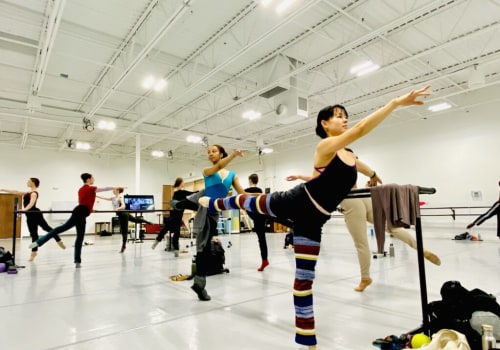
Community studios and grassroots organizations have expanded access through sliding-scale tuition, scholarship-supported ensembles, bilingual instruction, and outreach initiatives that engage immigrant and low-income communities, recognizing that dance can foster holistic well-being, belonging, and personal development. For example, Zorongo Flamenco’s youth programs bring cultural dance experiences to Hmong, Latinx, and Somali families, blending artistic skill-building with identity affirmation. Similarly, Ballet Minnesota’s inclusive family performances and community workshops create spaces where dance intersects with cultural celebration and local storytelling. Social media platforms and local event aggregators like Minnesota Dance Calendar help circulate auditions, open calls, and volunteer needs, making it easy for dance lovers—whether 6 or 60—to discover opportunities near them. The result is comprehensive participation, from recitals at suburban community centers to big-city premieres in Minneapolis theaters, where amateur and professional dancers share creative ecosystems that benefit both.
Professional Companies and Performance Innovation
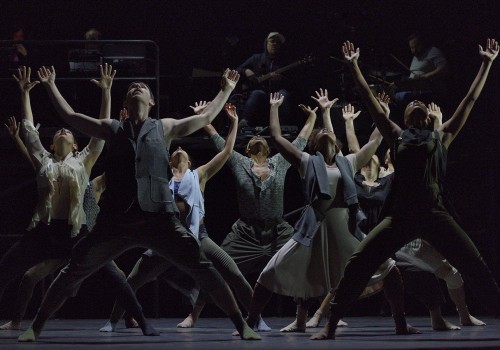
Professional companies—such as Artistry Dance Company, TU Dance, and the Minnesota Dance Theatre—enrich the county’s creative landscape with world-class performances, residencies, and educational programs. They collaborate with visual artists, composers, and theater directors to create interdisciplinary works that tour regionally and nationally, while also offering school-based outreach and professional training. These companies often hold open rehearsals, mentorship workshops, and in-studio performances that invite the public behind the scenes, reinforcing dance’s role in community engagement, cultural discourse, and even civic dialogue. Their commitment to supporting Black, Indigenous, and People of Color (BIPOC) choreographers and dancers addresses the need for representation and equity in the performing arts. Local theaters, including the Ordway and the Hennepin Theatre District, bring dance to large audiences, and partnerships with festivals enable outdoor, ticketed, and free community performances.
Health, Economics, and Infrastructural Support
The vibrancy of Hennepin County’s dance community contributes to both individual wellness and local economies. Recreational classes support fitness and mental health while also providing income for instructors, administrators, costume designers and technicians. Big productions boost spending on venue rentals, marketing, hospitality, and ancillary services—lighting, sound, transportation, and administrative support. That economic activity intersects with practical infrastructure concerns: many dance studios occupy retrofitted industrial buildings where considerations such as soundproofing, sprung floors, heating, cooling, and plumbing are essential—often requiring coordination with building management to ensure reliable functionality. Even routine tasks like water heater replacement, performed to maintain studio showers or dressing rooms, underscore the importance of dependable public works support for creative spaces. These logistical elements help ensure that both casual drop-in classes and major performances proceed without interruption.
Looking Ahead: Resilience and Future Directions
As Hennepin County continues evolving, the dance community remains agile—embracing digital platforms, hybrid performances, outdoor stages, and site-specific choreography that respond to climate awareness and social inclusion goals. Plans for new dance hubs, co-working rehearsal spaces, and shared costume/prop resources are gaining traction, spurred by arts coalitions and city funding initiatives. With ongoing support from government bodies, philanthropic funders, and community stakeholders, dance in Hennepin County is positioned not only to sustain but to flourish—embodying creative momentum, cultural connectivity, and communal well-being that resonates far beyond the stage.